Ever thought about what makes your digital characters look good? It’s not just about picking clothes. You need to understand style architecture deeply.
Designing for top-notch character creation or improving your skills? Knowing how to mix textures and themes is key. This guide will show you how to pick the best ai porn video outfits by combining latex, fantasy, and casual styles.
Sorting your designs lets you control the final look. We’ll show you the technical and creative steps to make your digital costumes look pro.
Key Takeaways
- Understand the core principles of character visual identity.
- Learn to blend distinct fashion aesthetics like latex and fantasy.
- Master the technical requirements for high-quality digital costume generation.
- Discover how to curate effective ai porn video outfits for any scenario.
- Gain insights into balancing casual and uniform styles for better realism.
Defining Your Character Aesthetic
Your character’s clothes tell a story without words. Before you start designing, you need to decide how they look. This helps every choice feel right, not random.
Establishing the Visual Narrative
A good look comes from matching the character’s background with their clothes. Picking textures, shapes, and colors gives clues about who they are. Consistency is key to making them feel real.
Think about these key points when picking clothes for your character:
- Social Status: Does the clothing show wealth, poverty, or a certain rank?
- Environment: Is the outfit right for the character’s climate or job?
- Personality Traits: Do the colors and cuts show boldness, shyness, or chaos?
“Costume design is a form of storytelling that speaks before a character even utters a single word.”
The Role of Outfits AI Video Production
In outfits ai video production, your early choices are crucial. The AI needs clear, consistent signs to keep your character looking good in every scene. By setting your aesthetic early, you help the software create top-notch results.
Matching your wardrobe with the character’s role makes every visual part of the story. If you’re doing an outfits ai video project, remember the AI uses your visual cues. Taking time to pick a specific look will save you a lot of time later.
Mastering the Latex Aesthetic
Mastering the latex aesthetic is more than picking a shiny texture. It’s about how light interacts with the surface. This material, often polished, needs careful handling of light in your digital space. Remember, latex is delicate, so your designs should show its stretchiness and tear-prone nature.
Selecting High-Quality Latex Textures
To get a realistic look, choose textures that really capture the essence of rubberized fabrics. Steer clear of flat, plastic-like textures that miss the mark. Instead, go for assets with detailed normal maps to mimic the fabric’s thickness and tension.
Quality textures should also show how latex hugs the body. Make sure they support dynamic displacement to capture the material’s movement. This keeps your character from looking like they’re in a stiff shell.
Lighting Techniques for Reflective Materials
The secret to a believable latex render is managing high-specular highlights. Latex reflects like a mirror, so use HDRI maps for realistic reflections. These should wrap around the outfit’s curves.
It’s key to adjust light intensity to keep the material’s shine without losing color. Mix rim lighting with soft fill lights to define the character’s silhouette. This way, the reflective quality of the latex is clear from all sides.
Color Palettes for Latex Ensembles
Latex is known for its deep, vibrant colors that stand out against any background. For your ensemble, bold, monochromatic schemes work well to show off the material’s sleekness. Deep blacks, bright reds, and electric blues are great choices to enhance the material’s sheen.
If you want something more complex, try mixing high-contrast colors for visual interest. Use lighter accents to highlight seams or details. Make sure your color choices match your lighting setup for a cohesive, professional look.
Building Fantasy Character Costumes
You can turn a digital avatar into a legendary figure by mastering fantasy costume design. This process needs a mix of historical inspiration and your creative vision. By blending these, your character will feel unique yet believable.
Integrating Armor and Fabric Layers
To create a compelling silhouette, focus on the mix of rigid protection and soft textiles. Layering is the secret to adding depth. You might combine heavy metal pauldrons with flowing fabrics for a striking contrast.
Consider using witch costume pants or loose, draped trousers for movement. Pair these with black bohemian styles for a mystical, dark look. This mix breaks up the monotony of standard armor sets.
Accessorizing with Mythical Elements
Accessories bring your design to life. Small details like runic pendants, leather pouches, or tattered cloaks tell your character’s story. These items should be functional, not just decorative.
Think about your character’s environment when choosing accessories. A character from a frozen tundra might wear fur-lined capes. A desert wanderer might favor lightweight, sun-bleached wraps. Consistency in your accessories makes your character feel real.
Balancing Realism and High Fantasy
The best designs blend the mundane with the magical. Your character should look like they could function in their world, even with dragons or magic. Avoid over-complicating every piece of gear.
Choose one or two focal points for the high fantasy theme. This keeps the design clear and focused. Use the following table to organize your design choices for different character archetypes.
| Archetype | Primary Material | Key Accessory | Style Influence |
|---|---|---|---|
| Battle Mage | Silk and Leather | Crystal Amulet | Bohemian |
| Forest Scout | Treated Canvas | Leather Quiver | Practical |
| Royal Guard | Polished Steel | Embossed Cape | Historical |
| Shadow Rogue | Darkened Velvet | Hidden Daggers | Mystical |
Curating Casual Everyday Looks
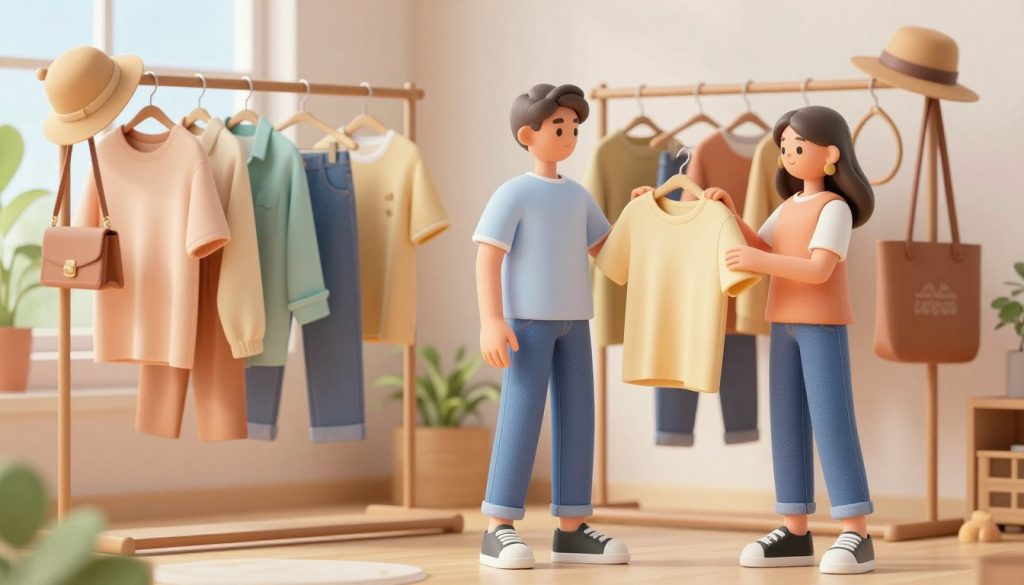
To make your digital models look real, focus on today’s fashion. When your characters wear clothes that feel real, they connect with your audience better. Casual aesthetics make digital art feel like part of our world.
Streetwear Trends for Digital Characters
Streetwear is today’s fashion, perfect for digital avatars. Choose iconic items like big hoodies, rough denim, and high-top sneakers. These clothes should look like they’re really on your character’s body.
When picking streetwear for your characters, think about these:
- Oversized Silhouettes: They give a comfy, laid-back look.
- Graphic Prints: They share your character’s story or interests.
- Technical Fabrics: Add nylon or windbreaker materials for interest.
“Fashion is the armor we wear to survive the reality of everyday life.”
Layering Basics for Depth
Layering makes your character models look real, not flat. Mixing textures and weights adds depth. Strategic layering lets you show or hide parts of your character.
Here’s how layers affect your character’s look:
| Layer Type | Purpose | Visual Impact |
|---|---|---|
| Base Layer | Comfort and fit | High (defines silhouette) |
| Mid Layer | Texture and color | Medium (adds complexity) |
| Outer Layer | Structure and style | High (creates volume) |
Begin with a simple base, like a fitted t-shirt. Then add layers like jackets or open shirts. This methodical approach makes your character ready for anything. Always check how layers move to keep your character looking sharp.
Designing Authentic Uniform Styles
Uniforms are key to showing who your characters are. They make your designs look real and important. Consistency in these designs helps people know who your characters are and what they do.
Professional and Academic Uniform Archetypes
Academic and professional uniforms have clean lines and structured tailoring. They show order and discipline. Think sharp collars, fitted blazers, and pleated skirts or trousers.
Choosing the right colors is important. Dark navies, charcoal grays, and crisp whites show professionalism and reliability. Adding textures like wool or cotton blends makes your designs more realistic.
Tactical and Service-Oriented Gear
Tactical gear is all about grit and function. It’s different from academic styles. Use heavy-duty straps, reinforced padding, and utility belts to show your character is ready for action.
Modern media uses materials like latex and PVC for a sleek look. This fits well with specialized service roles. Versatility is key; mix matte fabrics with glossy accents for a unique look.
Adding Custom Emblems and Details
Adding custom emblems and hardware makes your uniform stand out. Small details like embroidered patches, metallic buttons, or unique insignias show who your character is. These elements tell the viewer who the character represents.
Consider the wear and tear of the uniform. Add subtle scuffs, frayed edges, or faded colors to make it look lived-in. Attention to detail turns a simple outfit into a compelling story.
| Uniform Type | Primary Material | Key Feature | Visual Impact |
|---|---|---|---|
| Academic | Wool/Cotton | Structured Blazers | Formal & Disciplined |
| Tactical | Nylon/Latex | Utility Straps | Rugged & Functional |
| Service | Polyester Blend | Custom Emblems | Professional & Identifiable |
Utilizing a Costume Builder Workflow
A strong costume builder workflow changes how you work with digital fashion. It makes sure every character looks great and consistent. This is key for creators who aim for top quality in all their work.
Step-by-Step Character Dressing Process
Begin with a base layer, like a bodysuit or simple undergarments. Then, add textures and accessories to create depth. This methodical layering avoids clipping and makes the final look realistic.
For outfits ai video projects, stick to a specific order. Start with the main shape, then add details like belts or jewelry. This keeps your character’s look in check.
Managing Asset Libraries
Keeping your digital closet organized is key for fast work. Sort your assets by style, material, and color for quick access. Proper tagging helps you find items fast, saving time.
Use a central database for your go-to textures and meshes. A clean library cuts down on clutter and lets you focus on creativity. A well-kept library is a powerful asset for digital artists.
Iterative Design and Refinement
Don’t stop at the first design. Test different outfits and accessories to find the best fit. This back-and-forth process is crucial for top-notch outfits ai video work.
Refining means tweaking material looks and fitting each piece perfectly. Regularly check your work to spot and fix any issues. Consistent refinement makes sure your characters always look their best.
Color Theory for Wardrobe Cohesion
Learning color theory is key to a cohesive digital wardrobe. It helps you create characters that look intentional and eye-catching. Each piece of clothing has a role in the overall design.
Applying Complementary Color Schemes
Complementary color schemes pair colors opposite each other on the color wheel. This creates vibrant visual interest and grabs attention. It’s perfect for characters to stand out in a crowded digital space.
To avoid overwhelming the design, use one color as the main shade and the other as an accent. This balance keeps the colors from clashing. Subtlety is key to maintain a professional look with high-contrast colors.
Using Neutral Bases for Bold Accents
Starting with a neutral base is a smart way to achieve harmony. Colors like charcoal, slate, beige, or cream offer a solid foundation. They let your accent colors shine.
Use bold accents through accessories, trim, or gear pieces. This is great for complex costumes. It highlights functional elements or unique textures. Here’s how to apply these strategies for different character types.
| Character Archetype | Primary Base | Accent Strategy | Visual Goal |
|---|---|---|---|
| Tactical Soldier | Matte Grey | Neon Orange | High Visibility |
| Fantasy Rogue | Deep Brown | Emerald Green | Stealthy Elegance |
| Casual Streetwear | Off-White | Electric Blue | Modern Energy |
| Formal Uniform | Navy Blue | Gold Trim | Authoritative Presence |
Texture Mapping and Material Physics
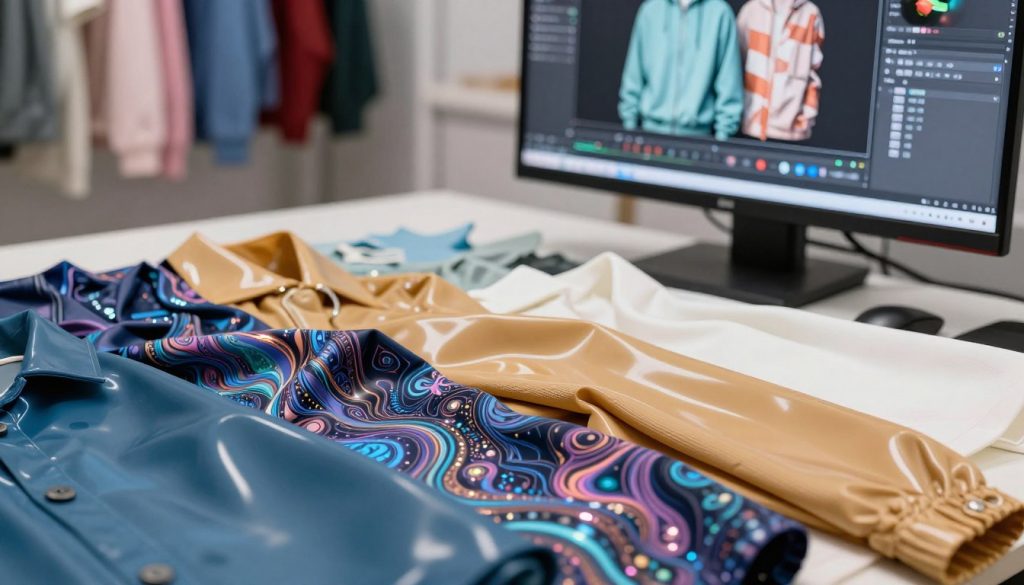
You can turn flat designs into real-looking outfits by learning about surface physics. To make your digital characters look professional, you need to understand how materials act in a virtual world. This knowledge helps your creations move and act like real clothes.
Simulating Fabric Movement
The secret to believable character animation is in how fabric moves. You must think about weight, gravity, and how it interacts with the environment. This way, the fabric won’t go through the character’s body.
Proper simulation makes the fabric move naturally. This happens when your character walks, runs, or does complex actions.
Think about the material’s density when setting up physics. A heavy wool coat should move slower than a light silk scarf. Adjusting these settings adds weight and realism to your character.
Adjusting Material Shine and Matte Finishes
It’s important to show the difference between fabric types. You can do this by changing specular maps and roughness values. Latex and leather need high-gloss settings to show their shiny highlights.
On the other hand, cotton or linen look better with matte finishes. These finishes scatter light instead of reflecting it. Try different settings to create a tactile contrast between different parts of an outfit. This makes your viewers feel like they can touch the clothes just by looking.
Optimizing Outfits for AI Video Generation
To turn your vision into a real AI video, managing outfits is key. High-quality outfits ai video content needs the right technical settings. It’s about making still images move smoothly for a pro look.
Prompt Engineering for Clothing Specifics
Being precise is crucial for success. Use specific words like latex sheen or fabric weave to guide the AI. This helps it understand how clothes should look and move.
Stay away from vague terms. Instead, focus on exact textures and shapes. This ensures your ai porn video outfits look as you imagined. Detailed prompts help avoid unexpected visual mistakes.
Maintaining Consistency Across Frames
Keeping things stable is a big challenge. Use the same seed values and reference frames to keep your character looking the same. This stops clothes from changing unexpectedly.
Consistency makes your production look polished. Lock in your design elements early. This keeps your character’s look stable, making your video more engaging.
Troubleshooting Common Rendering Glitches
Glitches can still happen, even with careful planning. You might see flickering textures or sudden changes in clothes. These usually come from unclear prompts or unstable lighting.
To solve these, try making your prompts simpler or adjusting style keywords. If it still doesn’t work, try re-rendering with a different seed. Learning how to fix these issues is key for top-notch outfits ai video content.
Mixing Styles for Unique Character Profiles
Mixing different fashion styles can make your characters stand out. It’s a way to create something fresh and real. Creative experimentation helps you find a style that connects with your audience.
Fusion Concepts: Latex Meets Fantasy
Latex and fantasy armor together create a striking look. This mix keeps your character futuristic but also rooted in myth. Material physics add depth, as light plays off latex and metal.
Layering latex under fantasy armor makes your character agile and protected. Adding glowing lines or runes on the latex brings these styles together.
Blending Uniforms with Casual Elements
Mixing uniforms with streetwear makes your characters feel real yet different. This shows a character caught between duty and personal life. Strategic layering is key to making this look intentional.
Pair a military jacket with distressed denim or hoodies for a lived-in look. Personal accessories like patches add to the character’s unique personality.
“True innovation in character design happens when you stop following the rules of a single genre and start building your own visual language through bold, unexpected combinations.”
| Style Combination | Primary Aesthetic | Secondary Aesthetic | Visual Impact |
|---|---|---|---|
| Latex & Fantasy | Sleek/Reflective | Rugged/Ornate | High-Contrast/Futuristic |
| Uniform & Casual | Structured/Formal | Relaxed/Streetwear | Grounded/Relatable |
| Tactical & Fantasy | Functional/Utility | Mythical/Magical | Action-Oriented/Unique |
Essential Tools for Digital Wardrobe Management
Managing your digital assets well is key to a smooth workflow. The right costume builder tools save you a lot of time. This lets you dive deeper into the creative side of character design.
Software Recommendations for Asset Creation
For a versatile wardrobe, you need software that does 3D modeling and texture painting. Blender is a top choice for creating custom meshes. For detailed textures, Substance Painter is a must for realistic wear and tear on digital clothes.
Using these programs in your costume builder workflow means high-quality results. Don’t forget to check out plugins for fabric simulation. They help keep material physics consistent across all your character models.
Organizing Your Digital Closet
A messy workspace can slow you down and make you frustrated. Organize your assets with a clear folder structure. Use descriptive names for files, like “Latex_Bodysuit_Reflective_V01.”
Consistency is crucial for a well-organized digital closet. Categorize items by style, material, and season. This way, finding the right piece for any character is quick. A well-organized system helps your library grow with your skills.
Conclusion
Mastering the wardrobe matrix is a mix of technical skill, artistic vision, and organized workflows. You now have the tools to turn simple models into complex, eye-catching characters.
Using color theory, texture mapping, and consistent prompt engineering boosts your digital designs. These steps make sure your work looks professional and polished in every frame.
Your journey in character aesthetics doesn’t end here. Keep trying new styles and software like Adobe Substance 3D or Marvelous Designer. This will help you develop your unique creative voice.
Expand your digital closet by mixing unexpected textures and themes. Share your work with others to get feedback and new ideas for your next project.
The future of AI video production depends on your creativity and ability to adapt. Keep growing your asset libraries and stay up-to-date with new trends in digital fashion.
FAQ
How can I achieve a realistic look when mastering the latex aesthetic for digital characters?
To master the latex look, focus on how rubberized fabrics reflect light. Latex is often polished for its shine. So, adjust your rendering settings for high-specular highlights.
Remember, latex is fragile. Reflecting this in your design adds authenticity to your work.
What are the key elements to consider when building fantasy character costumes?
Creating fantasy costumes needs a mix of history and imagination. Use armor and fabric layers for depth. Add witch costume pants or black bohemian styles for a mystical look.
Blending textures makes your designs complex and striking. This keeps them grounded in fantasy.
How do I ensure my digital uniforms look authentic and professional?
Authentic uniforms have specific archetypes, like tactical gear. Use materials like latex and PVC for a unique look. Add custom emblems and details to define the character’s role.
How can I optimize my designs for high-quality outfits ai video generation?
For high-quality ai video outfits, focus on prompt engineering and asset management. Avoid rendering glitches by keeping clothing consistent. This ensures a smooth, professional video.
What role does color theory play in digital wardrobe management?
Color theory is key for cohesive wardrobes. Use complementary colors and neutral bases for bold accents. This creates a balanced visual narrative.
Whether mixing streetwear or latex with fantasy, color ensures your outfit feels intentional.
Why is a costume builder workflow beneficial for character design?
A costume builder workflow offers a structured approach to character dressing. It helps manage assets and allows for iterative design. This makes refining textures and layers easier.
It’s crucial for digital wardrobe management, helping you move from concept to final character efficiently.
How do material physics and texture mapping affect the final render?
Texture mapping and material physics simulate realistic fabric movement. Adjust settings for shine and matte finishes to show different fabrics. Mastering these ensures your outfits look lifelike and react naturally.