Ever wondered how top creators make simple clips into cinematic masterpieces that grab your attention? The secret is often in mastering advanced movement controls. These controls turn basic footage into a professional story.
With the latest automated production software, you can easily manage complex, multi-shot sequences. This guide will show you how to use ai porn director mode to make your videos look professional.
You’ll learn to control camera paths, angles, and timing to improve your storytelling. These techniques are great for both new and experienced editors. They help you take full control of your creative work.
Key Takeaways
- Master the art of creating complex, multi-shot sequences using automated tools.
- Learn to manipulate camera paths for more dynamic and engaging visual storytelling.
- Understand how precise timing impacts the overall flow of your video projects.
- Achieve industrial-grade consistency across all your digital content.
- Discover how to use advanced settings to refine your unique creative vision.
Getting Started with AI Porn Director Mode
Setting up your workspace is the first step to high-quality projects. When you use ai porn director mode, how you start affects the final result. A tidy space helps you stay focused on your creative ideas.
Setting Up Your Workspace
Start by making sure your computer can handle high-resolution images. This setup prevents problems like identity drift during complex scenes. A stable environment keeps your characters consistent throughout your project.
“The secret to great cinematography is not just the camera, but the preparation that happens before the first frame is captured.”
Understanding the Interface Controls
After setting up, learn how to use the interface controls. These tools help you switch between automatic and custom multi-shot modes smoothly. Knowing how to use these settings is key to controlling your scene’s flow and story progression.
Try different presets to see how they change your story’s pace. With ai porn director mode, knowing when to use wide shots or close-ups is crucial. Regular practice will make your content look professional.
Mastering Camera Paths for Cinematic Flow
Mastering camera paths lets you guide your audience through every frame with intentionality and grace. By controlling how the lens moves, you create a seamless experience. This keeps viewers hooked from start to finish. Using director mode ai effectively is key to achieving this level of polish.
Implementing Smooth Dolly and Tracking Shots
Dolly and tracking shots add depth to your digital scenes. Moving the camera toward or alongside your subject mimics elite film techniques. This movement creates a sense of immersion that static shots can’t match.
When setting up these paths in director mode ai, keep the camera’s speed constant. Sudden jerks or stops can ruin the illusion. Instead, aim for smooth acceleration and deceleration to keep your transitions appealing.
Creating Dynamic Pan and Tilt Movements
Dynamic pan and tilt movements help you direct the viewer’s focus. These adjustments are crucial for highlighting character actions or environmental details. By strategically timing these movements, you can build tension or reveal information at the right moment.
The director mode ai handles the math behind these transitions, making your camera movements natural. Experiment with different speeds to see how they affect your content’s mood. Remember, subtle movements often have a more powerful impact than quick, erratic shifts.
Selecting the Perfect Camera Angles
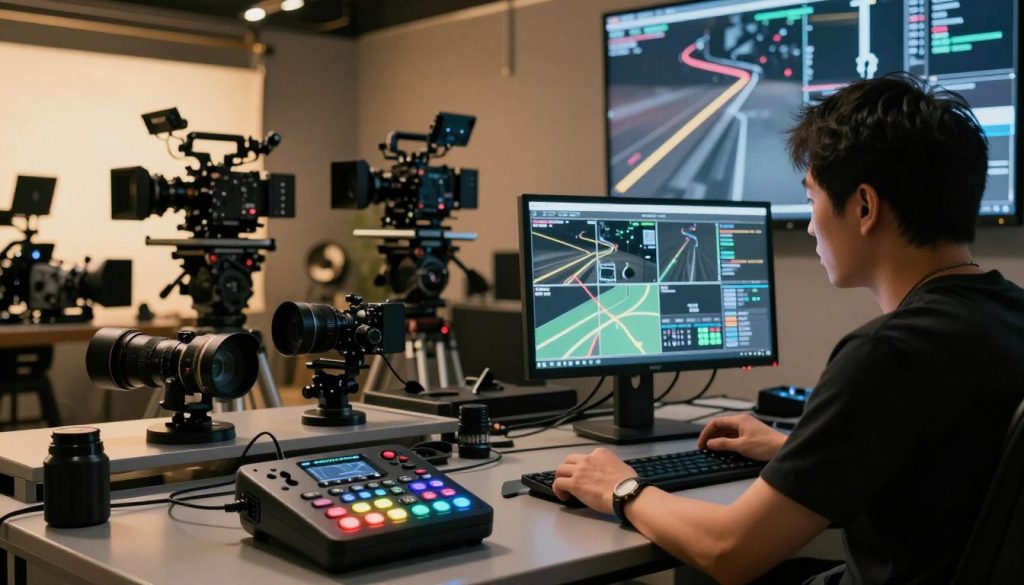
Using director mode ai, the camera angle is key for storytelling. Changing the view changes how we see characters. It lets you control the mood of every scene.
Utilizing Low-Angle Shots for Power Dynamics
Low-angle shots show power or authority. The camera looks up at the subject, making them seem bigger and stronger. This is great in director mode ai for intense moments.
Applying High-Angle Perspectives for Vulnerability
High-angle shots make subjects seem smaller or weaker. This is perfect for showing vulnerability or loss of power. In director mode ai, it shows submission in a powerful way.
The Importance of Eye-Level Shots in Intimacy
Eye-level shots feel neutral and connect us to the characters. Since the camera is at the same height, it feels intimate. This approach in director mode ai creates a real connection with the audience.
| Camera Angle | Primary Emotional Effect | Best Use Case |
|---|---|---|
| Low-Angle | Strength and Dominance | Asserting character authority |
| High-Angle | Vulnerability and Submission | Highlighting emotional fragility |
| Eye-Level | Intimacy and Connection | Building rapport and realism |
Refining Timing and Scene Pacing
Professional directors know that pacing is key to any good story. Mastering the rhythm of your project turns simple clips into a cinematic nsfw masterpiece. This keeps viewers hooked from the very start.
Synchronizing Camera Movement with Character Action
Your camera movements should match the character’s actions perfectly. Start pans or tilts when a character moves significantly. This makes the transition feel intentional and smooth.
Timing is everything to keep viewers engaged. If the camera lags, the connection to the scene is lost. Aligning keyframes with digital actors’ gestures ensures a seamless flow. This is what makes high-quality cinematic nsfw production.
Adjusting Frame Rates for Dramatic Effect
Changing frame rates can change the mood of a scene. Lowering it during intense moments adds drama. Standard rates keep things realistic.
Use precise cut timing to build tension before big moments. Strategic pauses and sudden changes in view highlight key parts of your story. With native audio sync, every cinematic nsfw scene feels real and powerful.
Advanced Techniques for Cinematic NSFW Content
To take your digital work to the next level, you need more than basic camera moves. Using top-notch strategies, you can make cinematic nsfw scenes that look like they came from a big studio. These methods help you follow complex storyboards without mistakes.
Layering Multiple Camera Paths
Layering different camera paths in one scene can make your work look sophisticated. Instead of just one camera move, stacking various paths makes the visuals more lively. This technique keeps the viewer hooked from start to finish.
When you mix a slow dolly with a slight pan, you add depth that looks planned and polished. This method keeps your cinematic nsfw content looking high-quality. It avoids the jarring shifts that amateur projects often have.
Using Depth of Field to Focus Attention
Getting depth of field right is key to guiding the viewer’s eye. By blurring the background and keeping the subject sharp, you create a compelling visual hierarchy. This is crucial for showing close moments or key character actions.
Try different aperture settings to find the right balance for your shot. A shallow depth of field makes the action stand out, making your cinematic nsfw work feel more personal. Strategic use of focus ensures every frame supports your artistic vision and is technically sound.
Troubleshooting Common Director Mode Issues
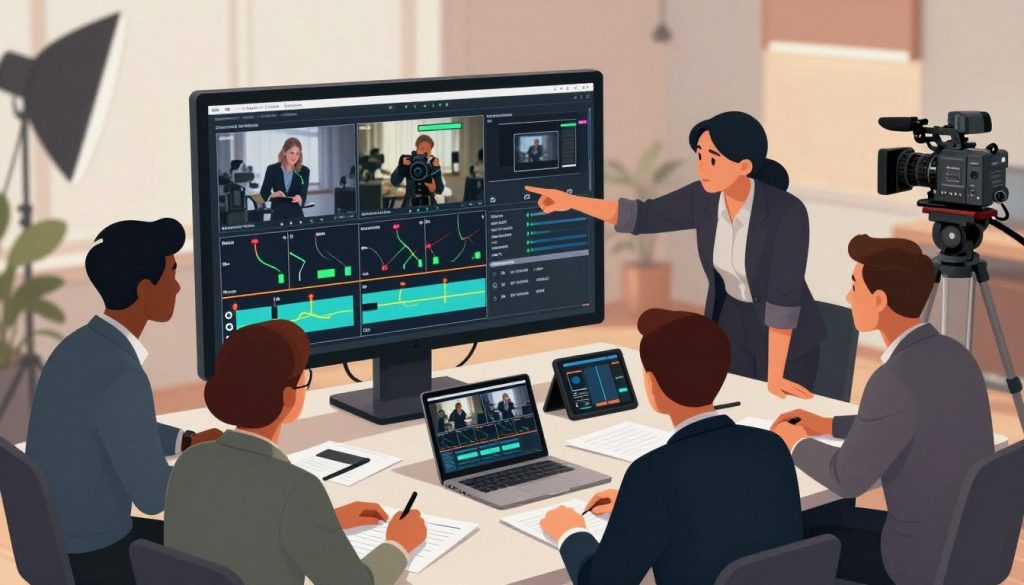
When your vision for a film hits a snag, knowing your software is key. Even top AI tools face tech issues that need a careful fix. By learning these steps, you keep your work polished and ready for professionals.
Fixing Glitchy Camera Transitions
Glitchy transitions happen when AI struggles to smooth out keyframes. If your camera moves jerkily or skips frames, check your interpolation settings. Make sure your path nodes are even to avoid sudden speed changes.
Also, ensure your frame rate settings are consistent throughout. A mismatch can cause stuttering as the engine tries to sync speeds. Smoothing your keyframe curves is a top way to fix these issues.
“The difference between a good scene and a great one often lies in the invisible details that keep the viewer fully immersed in the story.”
Correcting Perspective Distortions
Perspective distortions show up as unnatural stretching or warping. This usually happens when the virtual lens is too wide for the scene. Try increasing the focal length to make the image look more natural.
If the problem stays, check your camera’s field of view (FOV) settings. The AI might widen the lens in tight spaces, causing distortion. Adjusting the camera distance and narrowing the FOV can fix the issue.
| Issue Type | Primary Symptom | Recommended Fix |
|---|---|---|
| Jittery Motion | Skipping frames | Adjust keyframe interpolation |
| Warped Edges | Lens distortion | Increase focal length |
| Timing Lag | Desynchronized action | Sync frame rate settings |
Optimizing Your Workflow for Efficiency
Professional directors save time by streamlining setup. This lets them dive into creative work sooner. With lots of content, workflow efficiency is key to success. By improving technical skills, you can focus on creativity, not setup tasks.
Saving and Reusing Camera Presets
Using camera presets speeds up production. Instead of adjusting settings for each scene, save your favorites as templates. This cuts down on setup time.
With a preset library, apply settings quickly to different scenes. This consistency keeps your style consistent. It lets you try out new lighting and actions faster.
Batch Processing Multiple Angles
Batch processing is great for exploring many angles at once. Set up a sequence of shots in one go. This way, you can easily compare different directorial styles.
This method is perfect for scene options. Switch between wide, medium, and close-up shots quickly. See which captures the emotion best. Here’s a comparison of manual setup vs. optimized workflow.
| Feature | Manual Setup | Optimized Workflow |
|---|---|---|
| Setup Time | High | Low |
| Consistency | Variable | High |
| Output Volume | Limited | Scalable |
| Creative Focus | Technical | Artistic |
These strategies help you get the most from AI director tools. You’ll spend less time on the interface and more on perfecting your cinematic flow. Efficiency means creating a space for growth, not just speed.
Best Practices for Professional Results
To make your content look professional, you need to mix technical skills with creative ideas. Using AI tools can turn a simple clip into a cinematic masterpiece. The key is to pay close attention to every detail. This ensures every part of your video supports your story.
Maintaining Visual Consistency Across Scenes
Keeping character looks the same in all shots is a big challenge in AI video making. Use reference images to set the look of your characters before starting. This helps the AI keep the character’s appearance consistent, even when the camera angle changes.
Lighting also plays a big role in keeping your video looking good. Make sure your prompts include details about the light source and how bright it is. This meticulous preparation keeps your audience focused on the story, not distracted by lighting changes.
Balancing Artistic Vision with Technical Constraints
AI models have limits that can affect your creativity. You need to work within these limits by using structured prompting. Instead of asking for the impossible, break your scene into smaller parts. This makes it easier for the AI to handle.
Having a script helps guide the AI through your project. If you hit a technical snag, simplify things. This could mean easier camera movements or fewer things happening in the scene at once. Finding this balance helps you get great results without pushing the AI too hard.
| Strategy | Primary Benefit | Implementation Tip |
|---|---|---|
| Reference Images | Character Stability | Use consistent seed values |
| Structured Prompting | Predictable Output | Keep descriptions concise |
| Chronological Scripting | Narrative Flow | Map out every camera cut |
| Technical Scaling | Model Efficiency | Simplify complex movements |
Conclusion
Mastering director mode changes how you create. It gives you top-notch control over camera paths, angles, and timing. Now, you can make simple ideas into complex stories with many shots.
With Kling VIDEO 3.0, you can make content that looks professional all the time. This tool helps you make your artistic vision come alive on screen.
Use these skills in your future projects to make your digital stories better. Practicing with these tools lets you be a real director in the world of AI content.
Try out new movements and frame rates to find your own style. Being able to control the virtual lens makes your work stand out in a busy digital world.
FAQ
What exactly is director mode ai and how does it change the creative process?
Director mode ai changes how we make videos. It lets you control camera paths and timing. This makes you more than just a viewer; you become a creator.
How can I prevent identity drift when generating multi-shot sequences?
Use reference images to keep your characters looking the same. This helps when changing camera angles. It’s key for making your videos look professional.
What are the best techniques for creating a professional camera flow?
Use dolly and tracking shots to follow the action. Move the camera smoothly to focus on important parts of the scene. This makes your videos look like they were made by big studios.
How does native audio synchronization impact the realism of the scene?
Synchronizing audio with camera movements makes scenes feel real. It’s like the action and sounds are happening together. This is what makes your videos stand out.
Why is structured prompting necessary for complex cinematic sequences?
Structured prompting helps the AI know what to do. Give it a clear plan for the scene. This ensures your vision is brought to life without mistakes.
How do I utilize depth of field in cinematic nsfw productions?
Depth of field makes parts of the scene blurry and others clear. It adds emotion and intimacy to your videos. Adjusting these settings can make your videos look like they were shot with expensive lenses.
Can I save my camera settings for future projects?
Yes, saving camera presets makes your workflow faster. Keep your favorite shots and paths ready. This way, you can quickly make new videos that match your style.
What should I do if my camera transitions appear glitchy or unnatural?
Glitchy transitions happen when the AI doesn’t understand the scene. Check your timing and frame rates. Simplify the camera path to make your videos smooth and professional.