Ever wondered why your top-notch hardware still can’t keep up with today’s digital content? Even with the most powerful machines, small delays can mess up the experience. To get seamless performance, you need more than just power. You need a perfectly timed pipeline.
Our distributed GPU clusters are made to get rid of these delays. We make sure engine tasks finish right when they need to, keeping your ai porn video smooth. This way, we cut down system latency, giving you a zero lag experience that feels instant.
We use top-notch hardware setups to keep output quality high without losing anything. By fine-tuning your setup, you can beat the usual performance problems that hold back standard systems. This guide will show you how to reach the best performance.
Key Takeaways
- NVIDIA Reflex technology aligns engine work to reduce system latency.
- Distributed GPU clusters prevent common rendering bottlenecks.
- Optimizing your infrastructure is essential for high-fidelity output.
- Seamless performance requires precise synchronization of hardware resources.
- Achieving fluid playback improves the overall user experience significantly.
Understanding the Architecture of Realtime Render Systems
System latency is the time between when you click and when you see the change on screen. For zero lag ai porn, cutting down this delay is key. Knowing how data flows in your system is the first step to fix these delays.
The Role of Distributed Computing in AI Video
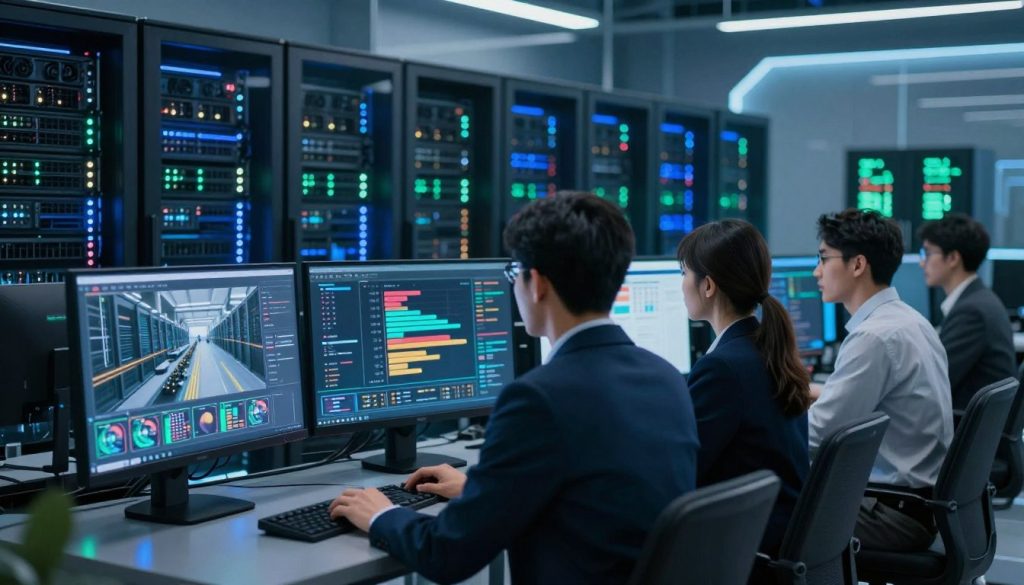
Distributed computing breaks down big tasks into smaller ones. By using many nodes, you avoid long render queues that cause delays. This keeps your system smooth, even with complex AI videos.
Efficiency is the big win here. Spreading tasks lowers the load on any one part. This stops overheating and keeps your output smooth, key for zero lag ai porn.
Hardware Requirements for Low-Latency Rendering
For low latency, you need more than just power; a balanced setup is crucial. High-speed connections between nodes are vital. Without them, even top processors can’t meet real-time needs.
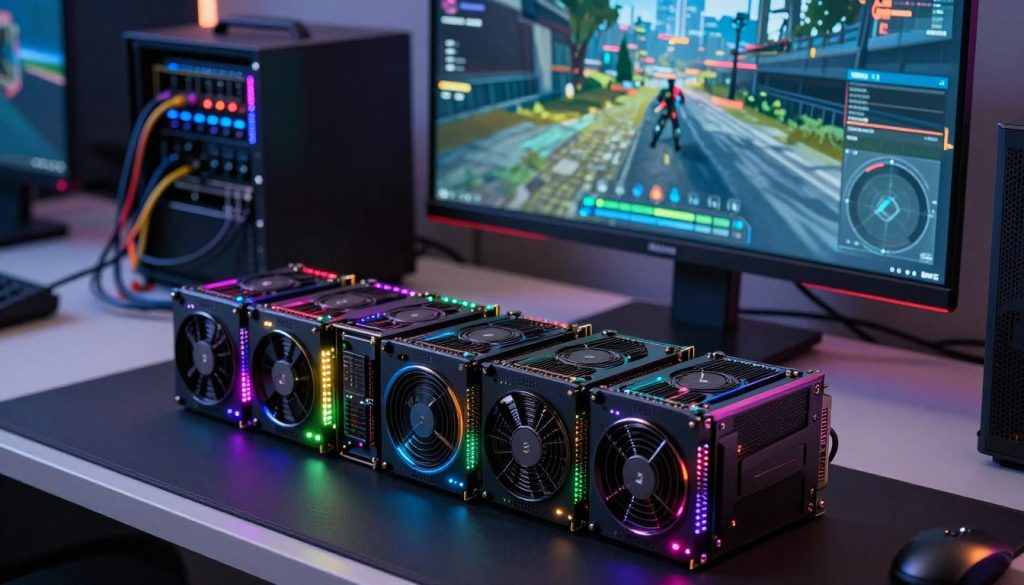
Your setup should focus on high-speed VRAM and good cooling. Using top-notch hardware means your pipeline can handle today’s AI models. Choosing the right hardware supports smooth, high-quality playback.
Achieving ai porn video zero lag Through Cluster Optimization
To get ai porn video zero lag, you need to tackle hidden latency in your GPU cluster. You must look into bottlenecks that slow down your pipeline. This ensures every frame is rendered efficiently.
Identifying Latency Sources in AI Generation
Latency often comes from the gap between your CPU and GPU. When the CPU sends instructions too fast, delays happen. The NVIDIA Reflex SDK helps by cutting down GPU render queue and easing CPU pressure in tough scenes.
“Performance is not just about raw power; it is about the seamless orchestration of every component in your rendering pipeline.”
Watch out for these common latency causes to keep your system running smoothly:
| Latency Source | Impact Level | Mitigation Strategy |
|---|---|---|
| CPU Back Pressure | High | Implement Reflex SDK |
| Render Queue Depth | Medium | Optimize Buffer Sizes |
| Network Jitter | High | Use Dedicated Fiber |
Synchronizing GPU Nodes for Parallel Processing
Good synchronization is key for a top-notch cluster. When tasks are split among nodes, make sure none holds things back. Parallel processing needs balanced workloads to avoid lag.
Sync your GPU nodes to keep your system running fast. This way, you get ai porn video zero lag by having the whole cluster work together. Make sure all nodes have the same driver setup to avoid sync issues.
Step 1: Configuring Your GPU Cluster for High-Throughput Processing
Creating a top-notch rendering environment begins with your server nodes’ setup. To excel in zero lag ai porn, optimize your core processing to handle big data smoothly.
A well-organized cluster is key for your pipeline. Focus on hardware efficiency to keep your system stable under heavy loads.
Selecting the Right NVIDIA A100 or H100 Configurations
Picking the right GPU is crucial for high throughput. The NVIDIA A100 and H100 series are top choices for AI rendering tasks. They offer huge parallel processing power.
When picking hardware, think about your model’s memory bandwidth needs. High-end cards speed up data transfer. This is key for smooth, high-quality output in real-time.
Setting Up Driver Environments and CUDA Toolkits
After setting up your hardware, align your software to work well with the GPUs. Installing the latest CUDA toolkits is key to unlock your system’s full power.
The NVIDIA Reflex SDK supports GPUs from 2014’s GeForce GTX 900 Series. This means you can use a wide range of setups. Keeping your drivers up to date helps avoid lag and ensures top performance.
Consistency in your driver setup avoids common issues in complex rendering. Verifying these settings now saves you from future headaches as your project grows.
Step 2: Implementing Load Balancing for Seamless Video Streams
When your rendering pipeline gets too busy, load balancing is key. Without it, your system might crash, causing video issues. By sharing the work, each realtime render task gets the power it needs for smooth video.
Distributing Rendering Tasks Across Multiple Nodes
To avoid crashes, spread your rendering jobs on many GPU nodes. This way, your cluster can tackle tough scenes better. Use tools like NVIDIA Reflex Low Latency Boost to keep GPUs running strong during busy times.
Here are tips for smart task sharing:
- Parallel Processing: Give different frames or parts to different nodes at once.
- Load Monitoring: Watch each node’s work to avoid overloading.
- Redundancy: Have extra nodes ready to jump in if needed.
Using Kubernetes for Dynamic Resource Allocation
Managing a big cluster by hand is hard in fast-paced work. Kubernetes makes it easier by adjusting resources as needed. It helps your system grow when busy and shrink when not.
Kubernetes lets you manage containers for your rendering engines. This proactive management style keeps your pipeline smooth. If your system sees more requests, it adds more nodes for better realtime render quality.
Step 3: Optimizing VRAM Allocation for Complex AI Models
To get a smooth realtime render, you need to manage your GPU’s memory well. High-resolution AI models often push your VRAM to its limits. By optimizing data storage and processing, you can avoid slowdowns during tough tasks.
Techniques for Model Quantization and Pruning
Model quantization helps shrink your neural networks’ memory needs. It changes high-precision weights to lower-precision ones, like INT8 or FP8. This lets you run bigger, more detailed models on regular hardware without losing quality.
Pruning is another technique that trims down the model. Strategic pruning keeps only the most important parts active. This is crucial for keeping your realtime render smooth, even with high-definition videos.
“Efficiency is doing things right; effectiveness is doing the right things.”
Managing Memory Footprints During High-Resolution Output
High-resolution outputs need careful memory management to avoid slow swaps between your GPU and system RAM. If your model uses more VRAM than available, swapping data causes big delays. It’s important to watch your memory use to keep frames in the GPU’s fast memory.
Higher FPS means lower system latency, but it’s not a direct relationship. Keeping your memory use low helps your hardware handle high frame rates for a professional realtime render. Efficient VRAM allocation keeps your AI pipeline smooth and quick, even under heavy loads.
Step 4: Reducing Latency via Edge Computing and Local Caching
Reducing network latency is key to a smooth realtime render experience for everyone. The speed at which data reaches users is crucial. If not managed, network latency can cause video playback issues.
Deploying Content Delivery Networks for Faster Access
Content Delivery Networks (CDNs) connect your central cluster to users. They spread your content across servers worldwide. This makes data travel shorter distances to users.
Using a CDN lightens the load on your main server. It lets your system focus on realtime render tasks. This keeps your system fast, even when lots of people are using it.
Caching Frequently Accessed AI Assets Locally
Caching helps reduce the time it takes to get to important AI assets. By storing these assets on edge nodes, you avoid fetching them from the main cluster for every frame. This makes high-resolution video delivery faster.
A good caching strategy means less buffering for users. When assets are ready at the edge, frames can be put together quickly. Here’s how different strategies affect your delivery performance.
| Strategy | Latency Impact | Primary Benefit | Complexity |
|---|---|---|---|
| Edge Computing | Very Low | Reduced travel distance | High |
| CDN Integration | Low | Global scalability | Medium |
| Local Caching | Minimal | Faster asset retrieval | Low |
| Direct Streaming | High | Simplified architecture | Very Low |
Step 5: Fine-Tuning Frame Interpolation for Fluid Playback
Creating smooth motion in videos is more than just having fast hardware. It’s about using smart frame interpolation. This method predicts and creates new frames, making videos look smoother without needing new equipment. It’s key for a top-notch realtime render that keeps viewers hooked.
Applying Motion Estimation Algorithms
Motion estimation algorithms track how objects move between frames. They guess where pixels will go, making new frames to fill in the gaps. This makes your video look like it’s running at twice or three times the original speed, making it look much better.
“Efficiency in motion prediction is the difference between a stuttering stream and a professional broadcast that captivates the audience.”
Balancing Frame Rate Against Computational Cost
It’s important to manage the resources needed for these calculations to avoid overloading your GPU. The accuracy of flick shots can be greatly affected by system latency. For example, a 12ms setup is much better than a 20ms one.
If you set your interpolation too high, you might add input lag that messes up the viewing experience. Finding the perfect balance is crucial. You need to test different settings to find the sweet spot where your realtime render is both fast and smooth. This way, you ensure a consistent, high-quality realtime render that handles even the toughest visuals.
Step 6: Managing Network Bandwidth to Prevent Buffer Stalls
Buffer stalls can ruin the experience of a high-quality realtime render. When your network can’t keep up, viewers see stuttering or frozen frames. Managing your bandwidth well ensures your content reaches viewers smoothly.
It’s important to think about how data moves from your cluster to the client device. By controlling this flow, you create a stable environment for high-definition video. This stability is key for professional-grade streaming.
Optimizing Data Transfer Protocols
Choosing the right protocol is crucial for low latency. Standard TCP is reliable but can cause delays. Many prefer UDP-based protocols or WebRTC for a faster realtime render experience.
These protocols are faster because they allow minor packet loss. This is important for keeping the stream moving in real time. You can use the NVIDIA Reflex Latency Analyzer to check if your protocol choice is causing delays.
Reducing Payload Sizes Without Sacrificing Quality
Efficient compression is key for managing network strain. Using modern codecs like H.265 or AV1 reduces video payload sizes. This helps keep high visual quality even with limited bandwidth.
Dynamic bitrate adjustment is also important. It helps keep your realtime render smooth even with unstable network connections. Here are some strategies for better network performance.
| Optimization Strategy | Primary Benefit | Impact on Latency |
|---|---|---|
| UDP/WebRTC Protocols | Faster packet delivery | Significant Reduction |
| H.265/AV1 Compression | Lower bandwidth usage | Moderate Reduction |
| Dynamic Bitrate Scaling | Prevents buffer stalls | High Stability |
| Local Edge Caching | Reduced travel distance | Significant Reduction |
Step 7: Monitoring Performance Metrics in Realtime
You can’t improve what you don’t measure, especially with complex rendering systems. High system latency can give attackers an unfair advantage. This is known as a peeker’s advantage. To keep your system stable, you must watch it closely and find bottlenecks early.
Utilizing Prometheus and Grafana for Cluster Health
Using tools like Prometheus and Grafana is a good idea. Prometheus collects data from your GPU nodes, and Grafana makes it easy to see important metrics. This way, you can see how well your hardware handles heavy loads.
These tools help you watch GPU temperature, memory, and frame delivery times. Keeping an eye on these helps your realtime render stay smooth. You can also spot problems before they cause trouble.
Setting Alerts for Latency Spikes
Monitoring isn’t just about looking at charts. It’s about acting fast when problems arise. Setting up alerts for latency spikes helps your team fix issues quickly. This keeps your service running smoothly.
This proactive approach is key for any serious operation. It stops problems before they cause big failures. Here’s what you should watch to keep your system running well.
| Metric Category | Target Threshold | Impact on Performance |
|---|---|---|
| Frame Latency | < 16ms | High (Prevents stuttering) |
| GPU Utilization | 70% – 85% | Medium (Avoids throttling) |
| VRAM Usage | < 90% | High (Prevents crashes) |
| Network Jitter | < 5ms | Medium (Ensures sync) |
Troubleshooting Common Bottlenecks in AI Rendering Pipelines
When your rendering pipeline slows down, finding the main problem is key. Even top systems can hit hidden barriers that slow down realtime render. By tackling these issues, you can get your system running smoothly again.
Diagnosing Thermal Throttling in GPU Clusters
Thermal throttling happens when your hardware gets too hot. This makes the system slow down to avoid damage. This slowdown hurts your realtime render quality, causing issues like dropped frames.
Keep an eye on your GPU temperatures with diagnostic tools. Make sure your cooling system can handle the workload. If performance drops during intense tasks, check your airflow and fan settings. Proper thermal management is key for steady output in complex setups.
Resolving Driver Conflicts and Software Incompatibilities
Driver mismatches in complex setups can cause unexpected delays. When nodes run different versions of CUDA or drivers, syncing for a smooth realtime render is hard. Make sure all nodes use the same software to avoid these issues.
Check your software regularly to spot potential problems. Standardizing your environment across all GPUs makes troubleshooting easier. Use scripts to keep drivers and libraries in sync.
| Bottleneck Type | Primary Symptom | Recommended Action |
|---|---|---|
| Thermal Throttling | Reduced clock speeds | Improve airflow/cooling |
| Driver Mismatch | System instability | Sync driver versions |
| Network Latency | Buffer stalls | Optimize protocols |
| VRAM Overload | Memory errors | Apply model pruning |
Best Practices for Scaling Your Infrastructure
To build a strong system, you need a smart plan for more traffic. As your site gets more popular, your realtime render must keep up. A modular design lets your hardware grow with your users.
Planning for Future Traffic Growth
NVIDIA Research spent years studying esports performance. Use their insights to predict your needs. Proactive capacity planning helps you add more GPU nodes before you’re overwhelmed.
A modular setup is key for scalable realtime render. It lets you update hardware without changing software. This keeps your system competitive with new tech.
Automating Cluster Maintenance and Updates
Manual updates can cause downtime. Use automated scripts for software updates and driver patches. This reduces errors and keeps your realtime render systems running well.
Automated updates also mean less downtime. You can update nodes one at a time while others keep working. This keeps your users happy and your system efficient. Here are some key strategies for a scalable and efficient system.
| Strategy | Primary Benefit | Implementation Focus |
|---|---|---|
| Modular Architecture | Easy Expansion | Hardware Decoupling |
| Automated Patching | Reduced Downtime | Rolling Updates |
| Predictive Scaling | Cost Efficiency | Traffic Forecasting |
| Load Balancing | System Stability | Resource Distribution |
Conclusion
Building a strong system for fast visual output needs a lot of technical focus. You now know how to handle complex GPU clusters and improve your pipeline.
Your skill in keeping a smooth realtime render comes from balancing hardware and software. Regular checks and quick fixes keep your system ready for heavy use.
Modern AI video making asks for new ideas and thorough tests. By using these tips, you make a stable place for smooth playback for all users. This keeps your service ahead in the digital world.
Use these tips to make your current setup better and see what your hardware can do. Your work on quick delivery will show in your output. Start making these changes today to improve your service.
FAQ
What exactly is system latency in a realtime render environment?
System latency is the time between when you give a command and when you see the result. In fast-paced tasks like making zero lag ai porn, it’s key to keep this delay short. This makes the experience feel smooth and instant.
Why are NVIDIA A100 or H100 GPUs preferred for high-throughput AI video generation?
NVIDIA A100 and H100 GPUs are made for big tasks. They have lots of VRAM and design for fast rendering. This means they can handle complex AI and high-quality videos without slowing down.
How does distributed computing prevent processing delays?
Distributed computing spreads tasks across many nodes. This way, no single GPU holds things back. It keeps the rendering smooth by avoiding delays.
What role does Kubernetes play in managing an AI rendering cluster?
Kubernetes manages resources for you. It scales tasks based on demand. This keeps your system running smoothly, even with lots of traffic.
How can I run complex AI models without exceeding my hardware’s VRAM limits?
Use model quantization and pruning. These methods make AI models smaller. This lets you create high-quality videos without running out of VRAM.
Can edge computing really improve the speed of AI-generated video delivery?
Yes. Edge computing and CDNs bring data closer to you. This cuts down on network travel time. It’s a big step towards real-time video.
What is the benefit of using motion estimation algorithms for frame interpolation?
Motion estimation makes videos smoother. It creates extra frames to improve fluidity. This is a clever way to make videos seem smoother without needing super-fast rendering.
How do Prometheus and Grafana help maintain a stable rendering environment?
Prometheus collects data on your cluster’s performance. Grafana shows this data. Together, they help you keep an eye on GPU health and alert you to problems.
What should I do if my GPUs are experiencing thermal throttling?
Thermal throttling happens when GPUs slow down to cool down. Improve cooling and airflow to fix this. Good cooling is key for fast rendering.
How can I ensure my infrastructure is ready for future traffic growth?
Use a modular setup for easy growth. Automate updates and maintenance. This way, you can scale up smoothly as your needs change.