Ever wondered why some digital scenes seem dull while others draw you in? The answer often lies in how shadows and highlights are used. It’s not just about fancy equipment; it’s about knowing the basics of light.
Whether you’re improving your skills or trying new ideas, the right setup makes a big difference. By using special lighting recipes, you can turn simple images into stunning art. This guide will show you how to get perfect ai porn video lighting to make your stories more engaging.
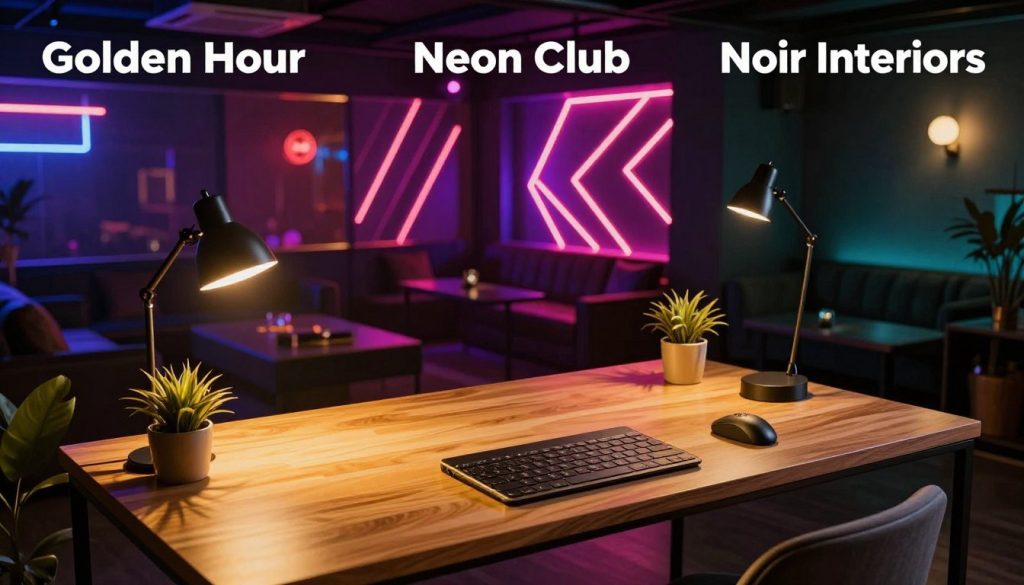
We’ll make complex techniques easy to follow. Get ready to master the warm glow of the golden hour, the bright lights of neon clubs, and the dark allure of noir interiors.
Key Takeaways
- Learn to manipulate light to create professional-grade visual depth.
- Understand the core principles of illumination for better storytelling.
- Discover how to replicate specific moods like golden hour and noir.
- Gain actionable steps to refine your technical and artistic skills.
- Transform standard digital renders into immersive cinematic experiences.
Foundations of AI Porn Video Lighting
Understanding light is key to making your projects look great. Mastering ai porn video lighting lets you control the mood and feel of your scenes. This skill makes your work stand out as professional.
Understanding Light Direction and Intensity
The direction of light shapes the human form. By adjusting light angles, you can highlight muscles or soften silhouettes. Intensity affects the emotional feel of a scene, from gentle to bold.
Selecting the Right AI Generation Tools
Picking the right software is crucial for lighting ai porn. Look for tools that let you tweak light settings. This ensures your vision is brought to life.
Balancing Contrast and Skin Texture
It’s a challenge to keep skin details real with high-contrast lighting. Too much contrast can lose the natural look. You need to balance shadows and skin tones for authenticity.
| Lighting Style | Primary Effect | Contrast Level | Best Use Case |
|---|---|---|---|
| Soft Diffused | Flattering Glow | Low | Close-up portraits |
| Hard Directional | Dramatic Depth | High | Action sequences |
| Ambient Neon | Vibrant Mood | Medium | Club environments |
Mastering the Golden Hour Aesthetic
Want your projects to feel warm and intimate? Learn to control light as the sun sets. The golden hour look is loved for its romantic and inviting atmosphere in videos. It makes AI-generated content look like a pro film.
Simulating Natural Sunlight Angles
To get the sun’s final hours look, focus on low-angle, directional lighting. Tell your AI to place the light low, creating long, soft shadows. This mimics natural sunlight near the horizon.
Stay away from harsh, overhead lights that make everything flat. Go for side-lighting to show off face and body shapes. This adds depth and realism to your videos.
Adjusting Color Temperature for Warmth
To get that golden glow, tweak color temperatures. Aim for 3000K to 4500K to warm up your scenes. This makes whites turn into oranges, yellows, and soft ambers.
“Light is the most important element in photography and film, as it dictates the mood, the texture, and the emotional resonance of every frame.”
Adjust these values carefully to keep skin tones natural. A light touch is better than overdoing it. Consistent color grading keeps your video feeling like it’s always sunny.
Enhancing Skin Glow with Soft Diffusion
To get that dreamy look, focus on how light hits the skin. Soft diffusion smooths out harsh edges and makes skin glow. This works great for close-up shots.
Use AI to add subtle light scattering and reduce contrast. Softening light edges makes your subjects look polished and glowing. This final step makes your golden hour scenes perfect.
Creating the Neon Club Atmosphere
Getting the vibe of a club right is all about light and color. You need to go beyond simple lighting. Use bold, bright colors that show off the modern club scene.
Utilizing High-Contrast Color Palettes
The key to a great club look is mixing darks with brights. Think electric blue against magenta or lime green against deep violet. These combos make your subjects stand out.
Choosing the right colors helps your scene feel real. Consistency is key in picking your colors. It keeps the viewer in the right mood.
“Light is the most powerful tool in your arsenal to dictate the mood and energy of a digital space.”
Implementing Dynamic Light Sources
Static lights can make a scene feel fake. To make it real, use dynamic light sources like strobes and lasers. These lights move and change, adding energy to your scene.
By changing the light’s intensity and position, you create a rhythm. This keeps the scene lively and interesting.
Managing Reflections and Specular Highlights
Realism in neon scenes comes from how light hits surfaces. You need to control specular highlights on skin and objects. This makes your characters feel like they’re really there.
Reflections on shiny floors or wet surfaces add depth. Balancing these bright spots with darkness creates an immersive cinematic quality. This is what makes top-notch club-themed AI content.
Crafting Noir Interiors for Dramatic Tension
To create mystery in your AI scenes, use chiaroscuro. This method involves light and shadow to build suspense. By controlling light, you guide the viewer’s eye and spark their imagination.
Defining Chiaroscuro Lighting Techniques
Chiaroscuro uses strong contrasts to show depth and volume. Place a single, intense light source at an angle to your subject. This creates sharp contrasts between light and dark.
“Light is meaningful only in relation to darkness,” say many great cinematographers. This idea turns a flat image into a dynamic, cinematic experience. Highlight facial features or textures while keeping the background mysterious.
Working with Deep Shadows and Silhouettes
Deep shadows are key for a moody atmosphere. High contrast settings make silhouettes stand out. This removes distractions and focuses on the subject’s shape and posture.
Try backlighting subjects against a dim, textured wall. This creates a clear outline against the darkness. The result is a hauntingly beautiful image, like from a classic detective film.
Selecting Minimalist Color Grading
Minimalist color grading keeps the noir style stark and monochromatic. Aim to desaturate images, using subtle color hints to draw attention. A slight blue or sepia tint adds emotional weight without overwhelming the scene.
Stick to shades of gray, black, and white for visual consistency. Removing vibrant colors lets the raw texture of the scene shine. This keeps your noir interiors timeless and professional.
Advanced Prompt Engineering for Lighting AI Porn
To improve your ai porn video lighting, focus on the language of your prompts. Getting professional results means more than just describing the scene. It’s about how the model sees light and shadows. By fine-tuning your input, you control the look of your scenes more precisely.
Structuring Prompts for Consistent Illumination
To keep a uniform look, be specific about your light sources. Instead of vague terms, talk about the intensity, color temperature, and placement of lights. For example, saying “rim lighting from the top-left” tells the model where to place highlights.
Consistency can be lost if the model sees light differently in each frame. Include global lighting details in every prompt. This keeps the core atmosphere steady, even when the subject moves.
Using Negative Prompts to Control Light Bleed
Negative prompts are key for cleaning up your work. If you see unwanted glow or light leaks, tell the model to avoid them. Using terms like “light bleed,” “overexposure,” or “glowing artifacts” helps keep your lighting ai porn sharp and intentional.
Think of negative prompts as your digital safety net. They stop the AI from adding light sources that don’t fit your scene. This saves time in post-production by avoiding common mistakes.
Iterating with Seed Numbers for Lighting Stability
Seed numbers anchor your generation process. If a lighting setup works perfectly, lock the seed number for future use. This is a critical strategy for keeping visuals consistent in long videos.
To make small changes, keep the seed number the same but adjust your keywords. This keeps the lighting architecture the same while you tweak other parts. This skill is what sets advanced creators apart.
Optimizing Mood Presets for Cinematic Quality
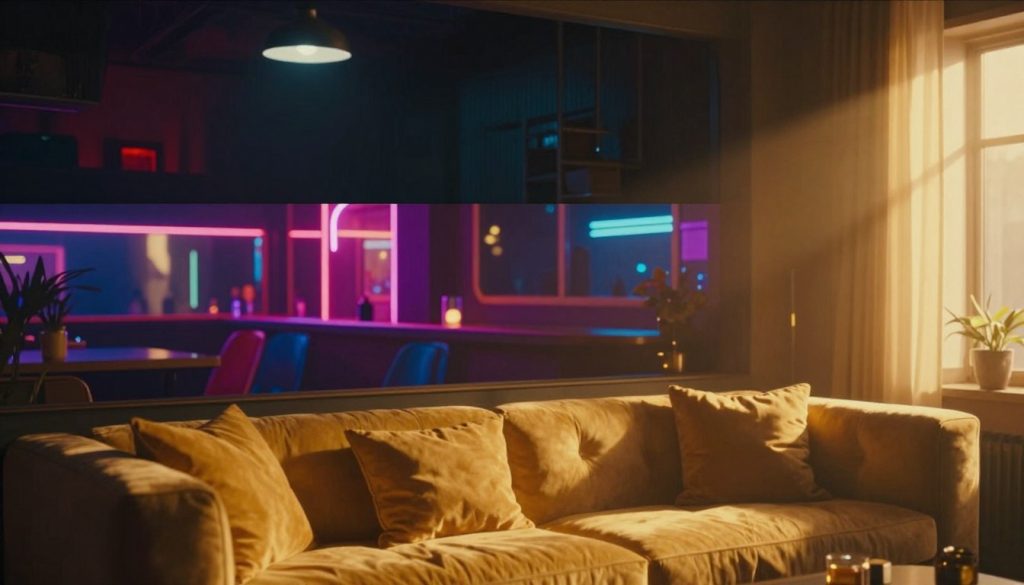
To get a professional look in your AI videos, you need more than just good prompts. You also need a consistent look. Mood presets help make sure every frame looks good, no matter the scene or character.
Developing Custom Lighting Presets
Creating your own lighting setups saves time and keeps quality high. Find the light intensity, color, and shadow depth that fit your style. Save these settings as a template for future use.
This way, you don’t have to start over every time. Efficiency is key, letting you focus on telling your story instead of tweaking settings.
Applying Global Adjustments for Mood Consistency
When changing scenes or characters, lighting might need small tweaks. Global adjustments help keep the mood right. Adjust exposure or contrast to make sure your mood presets work across different scenes.
This step is vital for a professional look in your work. Consistent lighting makes your brand recognizable and appreciated by viewers.
Integrating Lighting Presets into Your Workflow
The real strength of these tools is in how you use them daily. Treat your saved settings as a base for every project. This standardizes your work and cuts down on post-production time.
Using mood presets early in your process keeps quality high and consistent. Consistency is crucial for growing your production while staying true to your vision.
Technical Adjustments for Realistic Skin Rendering
Learning how light interacts with human skin is crucial for your digital art. When you work on lighting ai porn, you aim to go beyond simple textures. You want to create depth that feels real. This mix of technical skill and creative insight is key.
Managing Subsurface Scattering in AI Models
Subsurface scattering happens when light goes through a translucent object, like skin, and scatters inside. Without it, your subjects might look like lifeless dolls. Getting this right adds a soft, warm glow to shadows.
To get better results, try these tweaks:
- Up the scattering depth in your model settings to let light move through skin layers.
- Change the scatter color to match the skin’s vascular tones.
- Use light maps to make the scattering intensity vary with skin thickness.
Correcting Lighting Artifacts on Skin
Even with top models, you might see unwanted artifacts that spoil the realism. These can be harsh, pixelated edges or unnatural sheens. Spotting these problems early is crucial for your lighting ai porn projects.
If skin looks too shiny or fake, cut down the specular intensity. Also, apply a light noise reduction filter to smooth out shadow edges. Consistency is key in making these textures look right across frames.
Balancing Softness and Sharpness in Post-Processing
The last step is to balance facial sharpness with skin softness. Too much sharpness can show digital noise, while too much softness makes it blurry. You’re aiming for a cinematic balance that sharpens eyes and lips but keeps skin pores natural.
Here’s how to fine-tune your final image:
- Apply a gentle Gaussian blur to skin while keeping eyes sharp.
- Use high-pass filters to boost fine details without adding grain.
- Adjust mid-tone contrast to make skin look three-dimensional.
Troubleshooting Common Lighting Failures
Even the most experienced creators sometimes face lighting problems. These issues can ruin the look of their AI projects. Usually, it’s just a small mistake, not a big problem with your mood presets. Knowing how to find and fix these errors can greatly improve your work.
Fixing Overexposed Highlights
Highlights that are too bright often happen when the AI goes too far. This can make bright spots lose detail. To fix this, try lowering the exposure in your settings. Precision is key to keep textures in skin or fabric looking right.
“Light is the most important element in photography, and mastering it is the difference between a snapshot and a masterpiece.”
Correcting Unnatural Shadow Patterns
Shadows that don’t look right often come from wrong light placement or AI mistakes. If shadows seem harsh or jagged, tweak your prompt. Ask for softer light or a different angle. Consistent light direction helps keep your video looking real.
Resolving Color Banding Issues
Color banding shows as steps in gradients, which can mess up your video’s look. This problem usually comes from low-bitrate rendering or too much compression. To fix it, make sure your mood presets are set for high-bitrate output. Also, try adding a slight grain filter to smooth out transitions.
Workflow Integration for Professional Results
Turning raw AI generations into top-notch video content needs a smart plan for post-production. AI tools are a great start, but the best results come from mixing AI with manual touch-ups. This way, your video will meet today’s digital media standards.
Layering Multiple Lighting Passes
One prompt can’t always get the light and shadow mix needed for high-quality visuals. By making different lighting passes, you can mix these in your editing software. This method adds depth that a single generation can’t match.
Think of each pass as a part of your final piece. Blending modes and adjusting opacity are key here. They let you control the look, making sure the lighting feels planned, not random.
Refining AI Outputs with External Editing Tools
After getting your base layers, moving to top editing software is crucial. DaVinci Resolve or Adobe Premiere Pro can do color correction and noise reduction AI might miss. Precision editing is what makes a project look pro.
Always follow community rules and safety standards when sharing your work online. Using external tools also helps you finish your project safely and meet platform rules. Polishing your output this way ensures your video is top-notch and ready for platforms.
Maintaining Visual Continuity Across Video Sequences
Consistency is key for a pro video sequence. If the lighting or color changes too much between clips, it hurts the viewer’s experience. Using mood presets throughout keeps the look and feel the same.
By sticking to these mood presets, your story flows smoothly. Checking color and exposure levels helps avoid sudden changes. This control makes your video feel like a single, cohesive piece from start to end.
Conclusion
Learning lighting recipes is key to making top-notch AI video content. You now know how to turn simple images into stunning movies. This is thanks to your control over shadows and highlights.
Practicing regularly is crucial for growing in this fast-changing field. Try out these techniques to create a unique look that makes your work stand out.
The digital world is full of chances for those who improve their skills. Companies like Snap Inc. offer great jobs and support for creators. Joining these platforms keeps you in the loop with new trends and tools.
Your dedication to learning will make you a successful AI artist. Use these lighting tips in your projects and see how small changes make a big difference. Keep exploring and growing your portfolio.
FAQ
How can I achieve professional results when experimenting with lighting ai porn projects?
To get professional results in lighting ai porn, you need to understand light direction and intensity. Start with top models like Stable Diffusion XL or Runway Gen-3 Alpha. They give you control over light in scenes.
Focus on balancing shadows and skin textures. This makes your content feel real and engaging, like traditional movies.
Why are mood presets essential for maintaining visual continuity in adult AI videos?
Mood presets keep your lighting consistent in videos. Use tools like DaVinci Resolve or Adobe Premiere Pro to create presets. This way, you can quickly adjust color and exposure in different scenes.
This makes your videos smooth and keeps viewers interested in the story.
How do I simulate the Golden Hour aesthetic using AI prompt engineering?
To get the Golden Hour look, include keywords like “long shadows” and “amber glow” in your prompts. Adjust the color to warm tones and use soft diffusion in your AI tool. This enhances skin glow and creates a romantic feel.
What is the best way to handle reflections in a Neon Club lighting setup?
For Neon Club scenes, control light sources carefully. Use colors like cyans and magentas and focus on “wet surfaces” or “reflective textures.” This makes the neon glow seem part of the scene, not just added.
How does the Chiaroscuro technique improve the quality of Noir interiors?
Chiaroscuro uses light and dark contrasts to define scenes and create drama. For noir interiors, prompt for “deep shadows” and “sharp silhouettes.” This minimalist approach focuses attention on light, adding sophistication to your content.
Can I fix overexposed highlights and color banding in post-processing?
Yes, you can fix lighting issues like overexposure or color banding in post-processing. Use tools like “Highlight Recovery” in Adobe Premiere Pro for bright areas. For color banding, add a grain or noise layer in DaVinci Resolve. This smooths out gradients in low-light scenes.
What role does subsurface scattering play in realistic skin rendering?
Subsurface scattering (SSS) makes skin look natural by simulating how light interacts with it. In AI, managing SSS is key to avoiding unnatural skin looks. By controlling how light scatters in skin layers, you can achieve a soft, lifelike texture even under harsh light.
Why should I use seed numbers when iterating on lighting designs?
Using seed numbers keeps your lighting stable while you make other changes. If you find a great lighting setup, locking the seed lets you change poses or angles without losing the lighting. This is crucial for professional lighting ai porn.
How does layering multiple lighting passes improve the final video output?
Layering lighting passes means creating scenes with different lights and blending them. This adds depth and complexity. By masking areas and adjusting opacity, you can highlight details and keep the mood of the background.