Ever wondered why your digital creations look bad on social media? It’s often because of the file format and settings you choose. Learning the right ai porn video export process is key to keeping your visuals sharp online.
Choosing between MP4 and GIF is more than just about file size. It’s about how your audience sees your content. Selecting the correct format makes sure your work works well on all browsers and devices.
Creating looping clips or professional presentations? Your settings decide how it looks to viewers. By adjusting aspect ratios and compression, your media will look great on any screen. Let’s dive into how to get these technical details right for top-notch results every time.
Key Takeaways
- Understand the fundamental differences between MP4 and GIF formats for web use.
- Learn why aspect ratio consistency is vital for cross-platform compatibility.
- Discover how to optimize your files to prevent quality loss during uploads.
- Master the art of creating seamless looping clips for social media engagement.
- Identify the best technical settings to ensure your content reaches your audience clearly.
Understanding the Fundamentals of AI Porn Video Export
Mastering ai porn video export means your videos will look great on any screen. Knowing how digital rendering works gives you control over your final product. This knowledge is key to keeping your videos looking good on different platforms.
Selecting the Right Resolution for Your Project
Picking the right resolution is crucial. You need to match your settings to the platform you’re targeting to avoid quality loss. High-definition standards are expected by most viewers, but mobile platforms might need different sizes.
Make sure to check the original aspect ratio of your video before setting your resolution. The wrong size can cause images to stretch or have black bars. Planning ahead saves you from re-rendering later.
Balancing File Size and Visual Fidelity
Finding the right balance between file size and quality is a big challenge in ai porn video export. You want your video to be clear, but big files slow down loading. Smart compression helps keep your files small while keeping quality high.
The table below shows how different resolutions affect your video’s quality and size:
| Resolution | Best Use Case | Visual Quality | File Size |
|---|---|---|---|
| 1080p (Full HD) | Desktop & Tablets | Excellent | Moderate |
| 720p (HD) | Mobile Streaming | Good | Low |
| 4K (Ultra HD) | High-End Displays | Superior | Very High |
By choosing wisely, you make sure your ai porn video export is top-notch. Always think about your viewers’ needs when deciding between quality and speed.
Mastering MP4 Export Settings for High-Quality Results
When you’re ready to export AI video, the right MP4 settings are key. They connect raw data to polished media. Finding the right balance between file size and visual quality is crucial.
This ensures your content works well on different platforms and devices.
“Quality is never an accident; it is always the result of high intention, sincere effort, intelligent direction and skillful execution.”
Choosing the Correct Codec for Compatibility
The codec you pick affects how your video is compressed and played back. For most projects, H.264 is the top choice. It’s widely supported and keeps your video looking great.
For 4K content, H.265 (HEVC) is better. It compresses more efficiently, making files smaller without losing quality. But, make sure your viewers can play this format.
Codec Best Use Case Compatibility H.264 Web & Social Media Universal H.265 High-Res Archiving Modern Devices ProRes Professional Editing Limited Adjusting Bitrate and Frame Rate for Smooth Playback
Bitrate is key to your file’s quality. A higher bitrate means better visuals but bigger files. For streaming, aim for a constant bitrate (CBR) for consistent file sizes.
Frame rate affects how motion looks in your video. Most AI content looks best at 24 or 30 frames per second. Make sure your frame rate matches the original to avoid playback issues.
Creating Seamless Looping Clips for Social Media
Social media loves content that keeps viewers coming back. Loops help keep your audience hooked. A good format guide helps your clips look great on Instagram or TikTok.

Identifying the Perfect Loop Point
Finding the right loop point is key. Look for frames that match in motion, lighting, and composition. Consistency is key when editing AI footage.
For clips with moving characters, cut at a neutral position. This makes editing easier. A format guide helps pick the right frame rates for all devices.
“The most effective loops are those that the viewer doesn’t even realize are looping; they simply feel like a continuous, hypnotic experience.”
Using Cross-Fade Techniques to Hide Transitions
Not every clip can be perfectly looped with just cuts. A cross-fade can hide any jumps. This blends the segments smoothly, making it look professional.
Keep cross-fade times short to avoid blurriness. Using this with your format guide makes your final product shine on any screen. Here’s a table of loop strategies and their uses.
| Loop Strategy | Best Use Case | Difficulty Level |
|---|---|---|
| Hard Cut | Static backgrounds | Easy |
| Cross-Fade | Complex motion | Medium |
| Morph Transition | AI character movement | Advanced |
Mastering these techniques keeps your content engaging. Always check your export settings against your format guide for the best quality.
Optimizing GIF Exports for Web and Messaging
Creating high-quality animations for the web needs a solid format guide. This guide helps keep your files accessible. When you export your AI videos as GIFs, you must balance quality with speed.
This balance is key for a professional look on websites and messaging platforms.
Managing Color Palettes and Dithering
The GIF format has a 256-color limit, which can cause banding or detail loss. Use custom color palettes to focus on the most common colors. Dithering can also help by simulating missing colors with pixel patterns.
But, dithering can make your file bigger. Use it sparingly if you want a smaller file. Always test your settings to find the right balance.
Reducing Frame Counts to Maintain Performance
High frame rates are good for video, but GIFs don’t need them. Cutting down the frame count makes your file smaller and keeps it smooth. You can often cut the frame rate in half without losing quality.
Here’s a table to guide you on choosing the right settings:
| Setting Type | Low Quality | Balanced | High Quality |
|---|---|---|---|
| Color Palette | 64 Colors | 128 Colors | 256 Colors |
| Dithering | None | Pattern | Diffusion |
| Frame Rate | 10 FPS | 15 FPS | 24 FPS |
| File Size | Very Small | Medium | Large |
By following this format guide, your content stays engaging and fast. Always put the user first by keeping your files small but visually rich.
Adjusting Aspect Ratios for Different Platforms
When posting on mobile or desktop, the aspect ratio you choose affects the viewing experience. A good format guide ensures your media looks great on any device. This avoids awkward cropping and keeps your content looking sharp.
Vertical Formats for Mobile Viewing
Mobile users watch content in a vertical way. For the best fit, use 9:16, the standard for full-screen stories and reels. If you want a more cinematic feel, 4:5 or 2:3 ratios work well for social media.
Vertical settings make your videos pop on mobile screens. They fill the screen, reducing distractions and keeping viewers engaged. Always check your format guide before exporting to match your vision.
Widescreen Standards for Desktop Displays
Desktops prefer horizontal layouts. The classic 16:9 ratio is best for most video players and monitors. For a more immersive feel, try the ultra-wide 21:9 ratio on high-end desktops.
While widescreen is common on computers, the 1:1 square ratio is great for all platforms. It works well on both mobile and desktop browsers. Use the table below to find the right ratio for your project.
| Aspect Ratio | Primary Platform | Best Use Case |
|---|---|---|
| 9:16 | Mobile | Stories and Reels |
| 1:1 | Social Media | Feed Posts |
| 16:9 | Desktop | Standard Video Players |
| 21:9 | Desktop | Cinematic Displays |
Advanced Techniques for AI Video Post-Processing
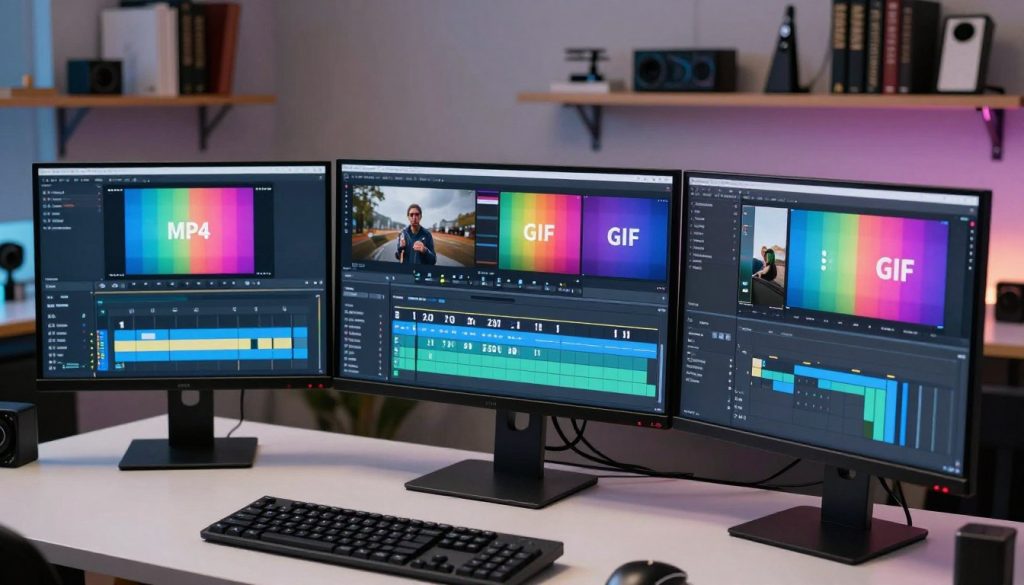
Turning raw video into a polished masterpiece needs careful attention. Your primary ai porn video export is the base. Post-processing refines the visual story. It makes sure your final product looks professional.
Applying Filters and Color Grading
Color grading sets the mood or look of your video. Adjusting contrast, saturation, and white balance can make a flat image pop. Many use software to apply LUTs for a unified color scheme.
Filters add texture or a vintage look to your video. After an ai porn video export, the file might lack depth. Adding grain or soft-focus filters makes it feel more real.
Upscaling Footage Without Losing Detail
Upscaling increases resolution without losing quality. AI upscalers use deep learning to fill in missing pixels. This keeps your video sharp and detailed.
Start with high-quality source files to keep your video clear. Avoid compressing too much, as it degrades the quality. Here’s a table comparing ways to improve your media.
| Technique | Primary Benefit | Best Use Case |
|---|---|---|
| Color Grading | Mood Enhancement | Cinematic Projects |
| AI Upscaling | Resolution Boost | Low-Res Source Files |
| Noise Reduction | Texture Smoothing | Grainy Footage |
| Sharpening | Edge Definition | Soft or Blurry Clips |
Using these advanced techniques makes every ai porn video export shine. Regular use of these methods sets your work apart. Always check your final video on different screens to ensure quality.
Troubleshooting Common Export Errors
Even the most advanced software can sometimes have problems when you export AI video files. These issues often come from hardware limits or software conflicts during rendering. Knowing how to spot these problems early can save a lot of time and stress.
Resolving Audio Sync Issues
Audio drift is a common issue where the sound doesn’t match the visuals. This usually happens when your project’s frame rate doesn’t match the export settings. Always make sure your project settings match your export settings to keep everything in sync.
If you see audio lag, try re-rendering the file with a constant frame rate. Many players have trouble with variable frame rates, causing playback delays. Changing these settings can greatly improve your export AI video projects.
Fixing Corrupted File Headers
A corrupted file header stops your video player from reading the file right, often showing an “unsupported format” error. This usually happens if the rendering is interrupted or if the system runs out of memory. You can often fix this by using video repair software or by re-encoding the file through a different media converter.
To avoid this, make sure your storage drive has enough space before starting. If you often export AI video content, keeping your software updated can also help avoid header corruption. See the table below for quick fixes to common playback issues.
| Issue | Primary Cause | Recommended Fix |
|---|---|---|
| Audio Desync | Variable Frame Rate | Set to Constant Frame Rate |
| Corrupted Header | Interrupted Render | Re-encode via Handbrake |
| Playback Lag | High Bitrate | Lower Target Bitrate |
| Black Screen | Codec Incompatibility | Switch to H.264/AAC |
Best Practices for Organizing Your Exported Media
A messy folder structure can ruin your hard work. When you export ai video files often, too much content can overwhelm you. A good workflow now will save you time later.
Naming Conventions for Efficient Retrieval
Being consistent is key to good file management. Use a naming system that includes the project name, date, and version number. For example, “ProjectName_YYYYMMDD_v01” makes it easy to find files.
Don’t use generic names like “video1” or “final_edit.” Use clear tags for your export ai video files. This way, you can quickly find specific clips from past projects.
Cloud Storage and Backup Strategies
Keeping your work safe from loss is crucial. Follow the 3-2-1 backup rule to protect your data. This means having three copies on two different types of media, with one off-site. Cloud services like Google Drive or Dropbox are great for storing your work.
Sync your folders often to keep your export ai video files safe and accessible. Don’t just rely on your local drive, as it can fail without warning. A solid cloud backup plan gives you peace of mind and keeps your files safe for years.
Conclusion
Improving your technical skills in video production changes how people watch your videos. You now know how to set up exports accurately and confidently.
Using these tips in your work makes sure your videos play well on different platforms like Adobe Premiere Pro or DaVinci Resolve. This consistency builds trust with your viewers and makes your brand stand out online.
Before you start your next project, check your settings. Even small changes in bitrate or aspect ratio can make a big difference in how well your video plays.
Your focus on technical skill makes you different from others. Keep trying new ways to share your vision through video. Share your success with others to help grow and inspire the community.
FAQ
What is the most reliable format guide for choosing between MP4 and GIF?
When you export ai video, your choice depends on where it will go. Use MP4 with the H.264 codec for high-definition content on YouTube or Vimeo. It balances quality and compression well.
For short, silent, and looping animations, choose GIF. This is best for messaging apps like WhatsApp or quick-loading web assets.
How can I maintain visual integrity when I export ai video projects?
To keep your AI porn video content looking sharp, match the export resolution to the display. Use 1080p (1920×1080) or 4K for clear details. Tools like Adobe Premiere Pro help fine-tune settings to avoid pixelation on different devices.
What bitrate and frame rate settings should I use for smooth playback?
For smooth playback, aim for a constant bitrate (CBR) or high variable bitrate (VBR). If your video is 30fps or 60fps, set the bitrate to 10-20 Mbps for 1080p. This handles AI-generated motion without artifacts.
How do I create a seamless loop for social media platforms like Instagram?
To make a seamless loop, find a point where the start and end frames are almost the same. Use cross-fade transitions in DaVinci Resolve to blend the end into the start. This creates an infinite playback for your viewers.
Which aspect ratios are best for mobile versus desktop viewing?
For mobile-first platforms like TikTok and Instagram Reels, use 9:16 or 4:5. These fill the screen. For desktop or cinematic projects, stick to 16:9 or 21:9. This ensures your composition looks right without letterboxing.
How can I optimize GIFs for faster load times without losing too much quality?
Optimizing GIFs for web performance is key. Reduce the frame count and limit colors to 256. A subtle dithering effect can smooth gradients, making your GIF light for slow mobile connections.
What is the best way to upscale AI video footage during post-processing?
If your AI video is low resolution, upscale it with tools like Topaz Video AI. These AI enhancers can boost resolution to 4K, adding details and reducing noise better than scaling methods.
How do I resolve common audio sync issues after rendering?
Audio sync errors often come from variable frame rates (VFR). Fix this by transcoding your file with HandBrake to a constant frame rate (CFR). This aligns audio with video perfectly.
What are the best practices for organizing a large library of exported media?
Use a strict naming convention for your exports, including project name, date, and version number (e.g., ProjectName_V01_4K). Store your master exports on cloud services like Dropbox or Google Drive for backup security.